
Redson Dev brief · PRIMARY SOURCE
Does better work always mean better workers?
Google Research · October 7, 2026
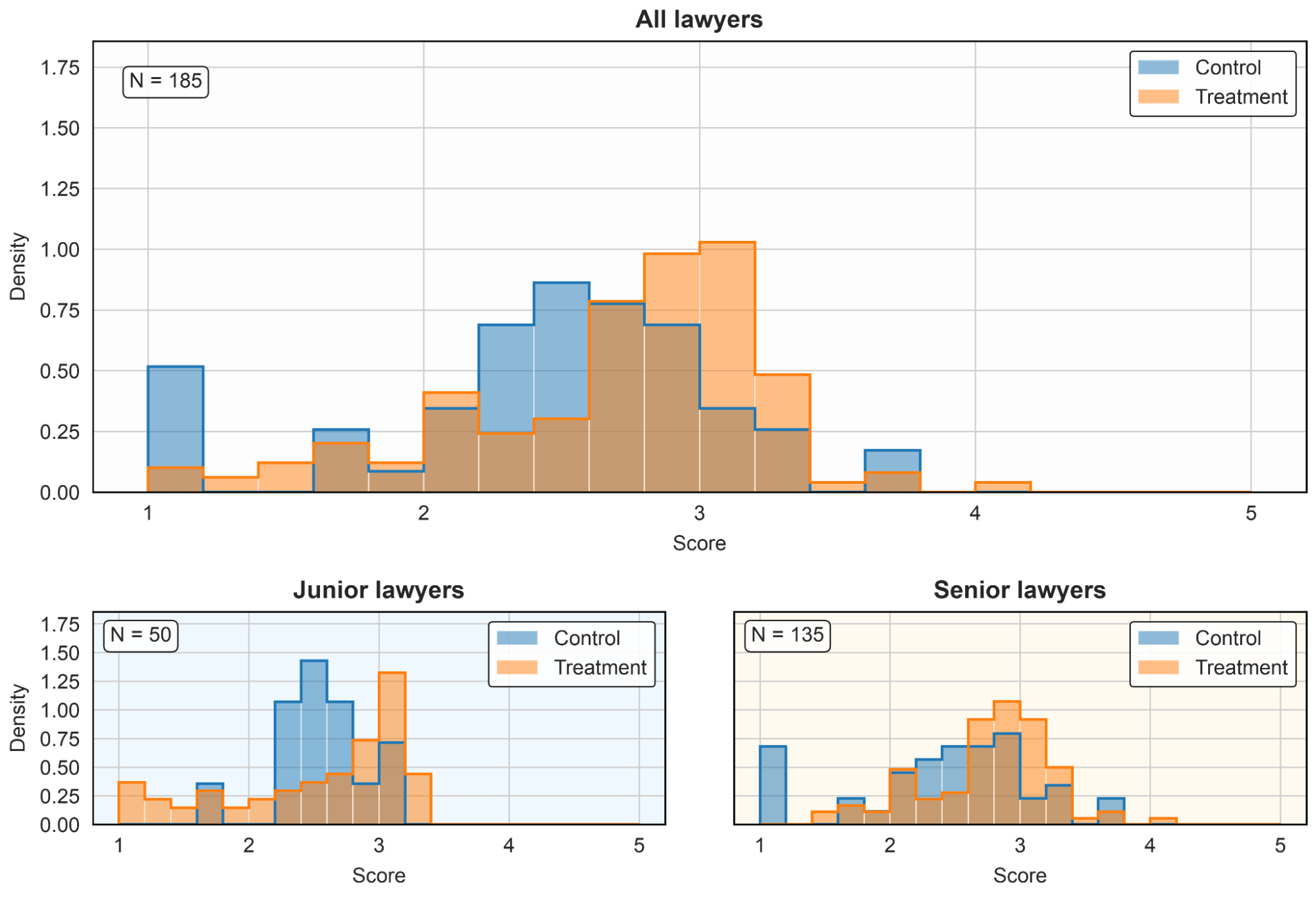
This brief illuminates how understanding the subtle interplay between individual performance and organizational outcomes can unlock significant efficiencies and strategic advantages for your operations. The Google Research piece delves into an intriguing finding: improving a worker's individual performance does not always translate directly into a proportional improvement in the overall quality or output of the work itself. Instead, the authors argue that the nature of the task, the system within which it operates, and the interdependencies between team members often dictate the upper bound of quality more than the isolated skill of any single contributor. This challenges conventional wisdom that solely focuses on individual upskilling as the primary driver for organizational improvement. For developers and operators, this perspective shifts focus from individual metrics to systemic bottlenecks. Consider a logistics startup in Chicago managing last-mile deliveries; rather than simply pushing drivers for faster routes, an analysis through this lens might reveal that dispatch algorithms or package sorting inefficiencies at the warehouse are the true limiting factors for on-time delivery rates, despite individual drivers being highly proficient. Similarly, an internal IT team supporting a mid-sized financial firm in Boston might find that elaborate individual training for helpdesk technicians yields diminishing returns if the core issue lies in outdated ticketing systems or fragmented documentation, leading to slow resolution times regardless of technician skill. An indie SaaS founder in Austin, Texas, struggling with customer churn might discover that an incremental improvement to their core product, rather than solely enhancing individual customer support agent capabilities, will have a more profound impact on user retention and satisfaction. Capitalizing on this insight means looking beyond individual performance reviews to analyze the entire workflow and system. It involves identifying critical choke points and dependencies where even a modest improvement to the process or infrastructure can yield substantial gains across the board. The strategic move is to invest in systemic improvements—better tooling, clearer protocols, optimized algorithms, or enhanced collaboration frameworks—that elevate the collective output, rather than solely focusing on the linear progression of individual skill. To put this into practice this week, choose one recurring task within your team or operation that consistently falls short of expectations. Instead of asking how individual contributors could perform better, spend an hour mapping out the entire process from start to finish. Identify two specific points where external factors, interdependencies, or system limitations might be preventing even a highly skilled individual from achieving optimal results, and brainstorm one small, actionable change to address one of those systemic issues.
Source / further reading
Learn more at Google Research →