
Redson Dev brief · PRIMARY SOURCE
The power of collaboration: How we can reduce traffic congestion
Google Research · July 7, 2026
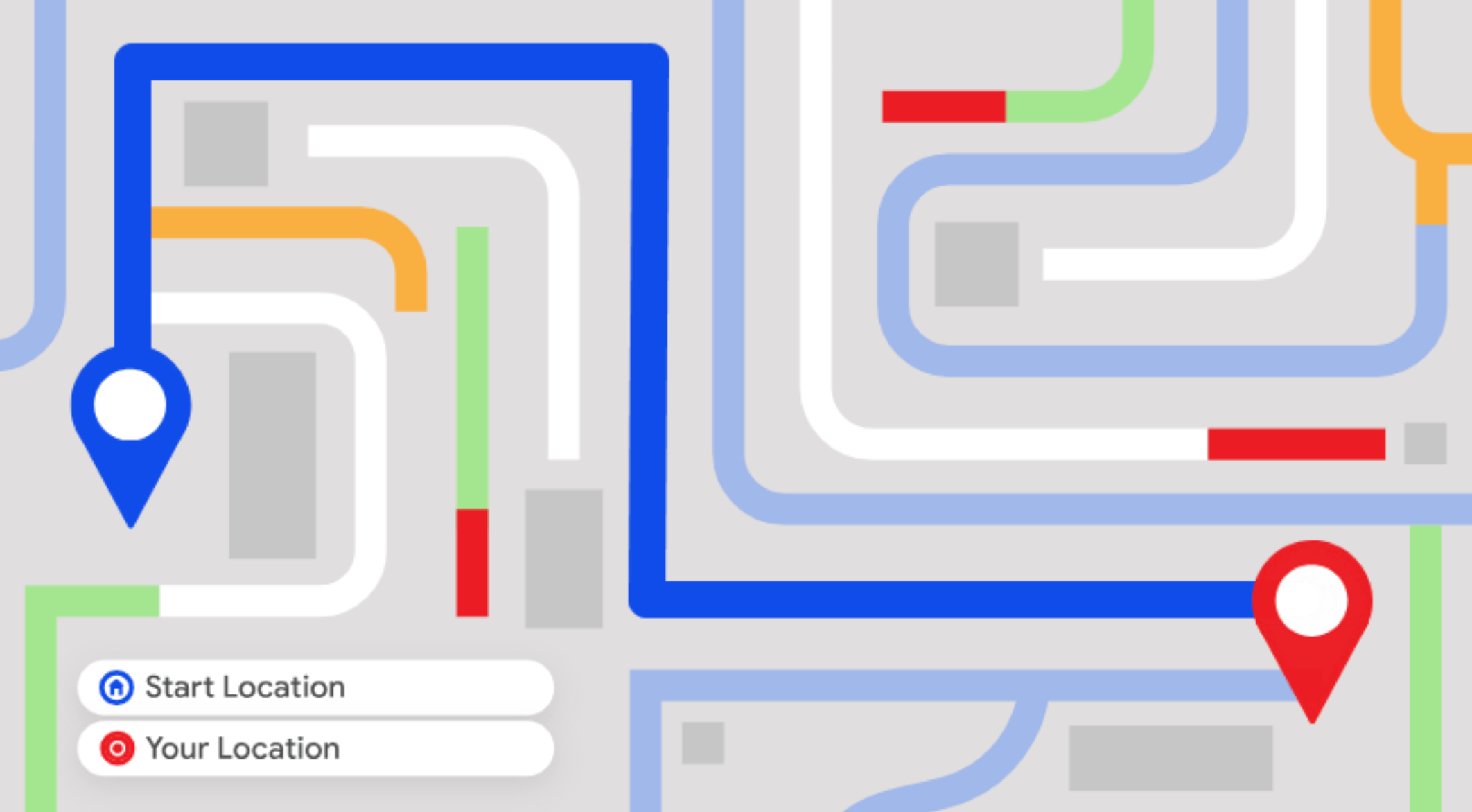
Solving the persistent challenge of urban traffic congestion now has a novel, algorithm-driven approach for city planners and service providers. Google Research explores how a collaborative, multi-agent reinforcement learning system, simulating interactions between vehicles and infrastructure, can significantly optimize traffic flow in complex urban environments. The core finding suggests that by allowing individual "agents" (like traffic light systems or autonomous vehicles) to learn and coordinate their actions, overall system efficiency improves dramatically beyond what isolated optimization can achieve. This presents a direct opportunity for developers, urban planners, and logistics operators to reimagine how cities manage movement. Consider a logistics startup based in Chicago managing a fleet of delivery vans. Instead of relying on static routes or simple real-time updates, they could integrate a collaborative AI module that not only optimizes individual vehicle paths but also communicates with city-level traffic management systems (if such an API existed) to cooperatively manage intersections, reducing idling time and fuel consumption across their entire fleet. Similarly, a municipal traffic department in Houston could leverage this paradigm to design dynamic traffic light sequencing that responds to and anticipates city-wide demands, perhaps even factoring in data from connected vehicles for predictive rerouting during peak hours or unforeseen incidents, yielding faster emergency service response times and reduced commuter frustration. An independent SaaS founder building a smart city integration platform, based in a city like Austin, could also develop modules that enable utility providers (e.g., those managing maintenance crews) and ride-sharing companies to cooperatively adjust their operations to minimize disruption and maximize throughput on shared road networks. To begin integrating this thinking, consider a small, contained simulation. This week, pick a single, small-scale challenge you face in managing movement or resource allocation within your product or service, even if metaphorical, like task dependencies in a development pipeline. Model it as a multi-agent system where different "actors" need to coordinate to achieve an optimal outcome. Then, explore simple reinforcement learning techniques to enable these agents to learn collaborative policies, even if it's just a basic Q-learning implementation, to see how shared goals can lead to superior collective results.
Source / further reading
Learn more at Google Research →